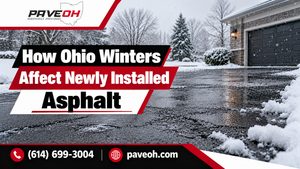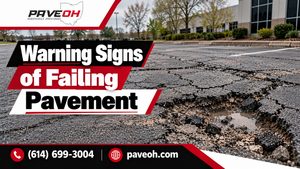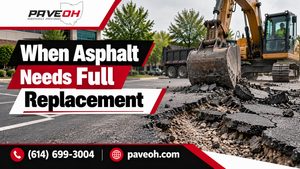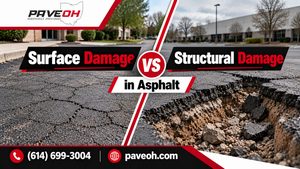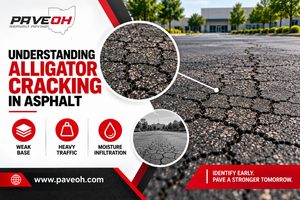
Is your driveway ready for another Ohio winter? Cold temperatures, snow, ice, and freezing rain can put extra stress on your asphalt driveway. Without proper preparation, small cracks can become larger, water can collect in weak areas, and potholes may appear after repeated freeze-thaw cycles.
Winter weather in Central Ohio can change quickly. One day may bring rain, while the next brings freezing temperatures and snow. These changes make driveway maintenance especially important for local homeowners.
The good news is that a few simple steps can help protect your driveway before winter arrives. You do not need to wait for visible damage to take action. Early inspections, proper cleaning, good drainage, and timely repairs can make a real difference.
In this guide, we will share 10 practical tips on how to prepare your driveway for winter in Central Ohio. You will also learn how to manage snow and ice, prevent common asphalt problems, and know when professional help may be needed.
Why Is Winter Preparation Important for Your Driveway?
Your driveway faces different challenges throughout the year. However, winter can be especially hard on asphalt surfaces.
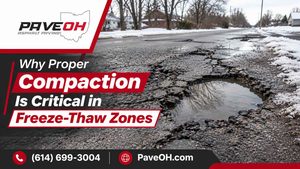
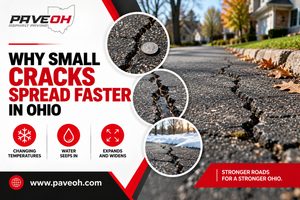
The main concern is the freeze-thaw cycle. This happens when water enters small cracks, freezes during cold weather, and expands. When temperatures rise, the ice melts and leaves space for more water to enter.
This process can gradually make existing cracks wider. It can also contribute to potholes and surface damage.
Here are some common winter problems that affect driveways in Central Ohio:
- Crack Expansion: Water enters existing cracks and freezes, which can make them larger over time.
- Pothole Formation: Repeated freezing, thawing, and traffic can weaken damaged pavement.
- Water Damage: Poor drainage allows water to collect on or around the driveway.
- Surface Deterioration: Cold temperatures and regular vehicle use can increase stress on weak pavement.
- Edge Damage: Water and soil movement can weaken the edges of an asphalt driveway.
According to the Ohio Department of Transportation, thermal cracking and freeze-thaw-related pavement damage are important issues in Ohio. These conditions make regular inspections and proper pavement maintenance essential. Pavement Repair Guide+1
10 Essential Tips to Prepare Your Driveway for Winter in Central Ohio
Preparing your driveway does not have to be complicated. The following steps can help you identify problems early and protect your asphalt before freezing weather becomes more frequent.
1. Inspect Your Driveway for Existing Damage
Start with a complete driveway inspection before winter arrives.
Walk around your property and look closely at the asphalt surface. Pay attention to areas where vehicles park, turn, or enter the driveway. These locations may show signs of wear sooner than other areas.
Look for:
- Small or wide cracks
- Potholes
- Uneven or sunken areas
- Loose asphalt
- Crumbling edges
- Standing water
- Previous repair spots that are starting to fail
Do not ignore small changes. A minor crack may look harmless during fall, but water can enter it and create further problems during winter.
If you notice significant damage, consider having the driveway inspected by a professional before temperatures drop.
2. Repair Cracks Before Freezing Temperatures Arrive
Crack repair is one of the most important parts of winter driveway preparation.
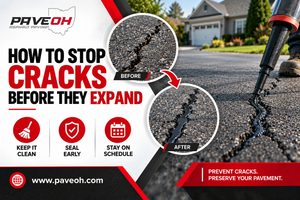
Even small cracks can allow rainwater and melting snow to enter the pavement. When that water freezes, it expands and places pressure on the surrounding asphalt.
Over time, this can cause existing cracks to become wider or create new damage.
Professional crack sealing can help close suitable cracks and reduce water entry. However, not every crack needs the same treatment.
The right repair method depends on:
- Crack width and depth
- The number of damaged areas
- The age of the pavement
- The condition of the base
- Signs of water damage
For homeowners looking for Asphalt Driveway Repair in Columbus Ohio, early attention can help prevent manageable problems from becoming more extensive.
If the cracks are widespread or the driveway is sinking, a simple surface repair may not be enough.
3. Clean Your Driveway Thoroughly
A clean driveway is easier to inspect and maintain.
Before winter, remove leaves, dirt, mud, grass clippings, and other debris from the asphalt surface. Pay special attention to driveway edges and areas where leaves tend to collect.
Organic debris can hold moisture against the pavement. It can also block drainage paths and make it harder to notice new cracks or damage.
You should also remove oil, fuel, and other vehicle-related spills when possible.
A simple cleaning routine can help you:
- Keep the surface clear
- Identify cracks more easily
- Prevent debris from blocking drainage
- Maintain a neat appearance
- Spot new damage before winter
Avoid using sharp tools that could scratch or damage the asphalt surface.
4. Check Your Driveway Drainage System
Proper drainage is essential for asphalt protection.
When rainwater or melting snow collects on your driveway, it can enter cracks and reach the supporting base. Excess moisture can weaken the foundation and contribute to pavement failure.
Before winter, check how water moves across your driveway.
Look for:
- Water pooling in low areas
- Blocked drainage channels
- Soil or leaves around driveway edges
- Water flowing toward your garage
- Areas where snowmelt repeatedly collects
Clear leaves and debris from drainage paths. Make sure water can move away from the driveway instead of collecting around the surface.
If water continues to pool in the same location, the issue may involve grading or drainage. In that case, professional evaluation may be necessary.
5. Consider Sealcoating Before Winter
Sealcoating can help protect a suitable asphalt surface from moisture, sunlight, and everyday weather exposure.
It also helps maintain a darker and cleaner driveway appearance.
However, timing matters.
Sealcoating requires suitable weather and enough time to dry and cure properly. Cold temperatures can affect the application and curing process.
For this reason, late spring, summer, and early fall are generally more suitable periods when weather conditions meet the product requirements.
Before applying a sealcoat, make sure the driveway is in suitable condition. Major cracks, potholes, and structural problems should be addressed first.
If you are considering Driveway Sealing in Columbus Ohio, ask a professional whether your pavement is ready for treatment and whether there is enough suitable weather before winter.
Remember, sealcoating is a preventative surface treatment. It cannot repair a weak foundation or stop existing structural damage.
6. Remove Snow Carefully During Winter
Snow removal is an important part of driveway maintenance in Central Ohio.
Leaving heavy snow on the driveway for long periods can make it harder to manage when temperatures change. Snow may melt during the day and refreeze overnight, creating slippery ice.
Use suitable snow-removal equipment to clear the surface.
Here are some helpful tips:
- Use a snow shovel or snow blower that is suitable for asphalt.
- Avoid scraping the pavement aggressively with sharp metal edges.
- Remove snow before it becomes heavily packed.
- Keep snow piles away from drainage paths.
- Avoid damaging driveway edges while clearing snow.
If you use a snow blower, follow the equipment instructions and adjust the blade or skid shoes to avoid unnecessary contact with the pavement.
The goal is to remove snow without damaging the asphalt underneath.
7. Use Deicing Products Carefully
Ice can make your driveway slippery and dangerous. Deicing products can help manage icy conditions and improve traction.
However, you should always choose and apply these products carefully.
Follow the manufacturer’s instructions and use only the amount needed for the conditions. Avoid excessive application.
Keep these points in mind:
- Read the product label before use.
- Apply the product according to its recommended directions.
- Avoid unnecessary chemical use.
- Remove loose snow before applying deicing products when practical.
- Monitor areas where melting snow and water collect.
You can also use sand or other suitable traction materials when additional grip is needed.
Remember that deicing products do not fix drainage problems. If water repeatedly collects and freezes in the same area, the underlying issue should be addressed.
8. Protect the Edges of Your Driveway
Driveway edges are often overlooked during regular maintenance.
However, they can become vulnerable during winter. Water may enter from the sides, while snow removal equipment and vehicle traffic can place extra stress on unsupported edges.
Before winter, check for:
- Crumbling asphalt edges
- Soil erosion
- Cracks along the sides
- Loose or missing edge material
- Water collecting beside the driveway
Avoid driving too close to unsupported edges, especially when the surrounding soil is soft or wet.
If you notice significant edge damage, have it inspected before it spreads.
9. Avoid Heavy Loads on Weak Areas
Your driveway may look strong, but damaged sections can have limited support.
Heavy vehicles place more pressure on asphalt, especially where cracks, potholes, or weak base areas already exist.
During winter, pay attention to areas that show signs of sinking or surface movement.
Try to:
- Avoid parking heavy vehicles on visibly damaged sections.
- Keep vehicles away from unsupported edges.
- Avoid repeated turning in the same weak area.
- Address major depressions before they become worse.
For properties that regularly handle delivery trucks or larger vehicles, professional pavement assessment can help identify areas that need attention.
10. Schedule Professional Driveway Maintenance When Needed
Some driveway problems are easy to notice but difficult to fix correctly.
For example, a pothole may appear to be a small surface issue. However, the actual cause could be a damaged base or poor drainage.
Applying a quick patch without addressing the underlying problem may only provide temporary results.
A professional can evaluate the pavement and recommend the right solution.
Depending on the condition of your driveway, the options may include:
- Crack filling or sealing
- Pothole patching
- Surface repairs
- Asphalt resurfacing
- Complete driveway replacement
If the existing surface is worn but the foundation remains stable, resurfacing may be an option. If the base has failed or the pavement has widespread structural damage, replacement may be more suitable.
For homeowners considering Residential Asphalt Paving in Columbus Ohio, proper planning, grading, drainage, and base preparation are important for long-term performance.
Common Winter Driveway Mistakes to Avoid
Even when homeowners try to protect their driveways, a few common mistakes can lead to additional damage.
Here are some things you should avoid.
Ignoring Small Cracks
Small cracks can allow water to enter the pavement. Leaving them untreated may increase the risk of further damage during freeze-thaw cycles.
Waiting Until the First Snowfall
Do not wait until winter arrives to inspect your driveway. Fall is a better time to identify problems and arrange suitable repairs.
Using Sharp Snow Removal Tools
Aggressive scraping can damage the asphalt surface. Use equipment designed for safe snow removal.
Applying Too Much Deicing Material
More product does not always mean better results. Follow the product instructions and avoid unnecessary application.
Ignoring Standing Water
Repeated water pooling may point to a grading or drainage problem. Simply removing the water does not solve the underlying issue.
Applying Sealcoat in Cold Weather
Sealcoating needs suitable temperatures and curing conditions. Applying it at the wrong time can affect the final result.
When Should You Consider Driveway Repair or Replacement?
Not every driveway needs major work before winter. Some surfaces only need cleaning and minor maintenance, while others may require professional repairs.
The important thing is to understand the current condition of your pavement.
Here is a simple comparison:
| Driveway Condition | Possible Solution |
|---|---|
| Small, isolated cracks | Crack filling or sealing |
| Small potholes | Professional pothole patching |
| Worn surface with a stable base | Asphalt resurfacing |
| Widespread surface deterioration | Professional pavement assessment |
| Sinking areas or failed base | Base repair or driveway replacement |
| Repeated water pooling | Grading or drainage correction |
These are general guidelines. The right solution depends on the extent of damage and the condition of the pavement underneath.
If your driveway has widespread cracks, deep potholes, or visible sinking, consider an inspection before winter.
You can learn more about professional Asphalt Driveway Repair in Columbus Ohio and available repair solutions from Pave OH.
Frequently Asked Questions (FAQs)
1. When should I prepare my driveway for winter in Central Ohio?
Early fall is a good time to prepare your driveway. It gives you an opportunity to inspect cracks, clean the surface, check drainage, and arrange necessary repairs before freezing temperatures become frequent.
2. Can freezing temperatures damage an asphalt driveway?
Yes. Water can enter existing cracks and freeze when temperatures drop. As the water freezes and expands, it can place pressure on the pavement. Repeated freeze-thaw cycles may make cracks larger and contribute to potholes.
3. Should I seal my driveway before winter?
Sealcoating may help protect suitable asphalt surfaces from moisture and weather exposure. However, it should be applied under proper weather conditions. Late spring through early fall is generally a better period when temperatures meet the product requirements.
4. How do I prevent potholes during winter?
Start by repairing suitable cracks, maintaining proper drainage, and addressing existing pavement damage before winter. These steps can help reduce water entry and protect weak areas. However, no maintenance method can guarantee that potholes will never develop.
5. Is it safe to use salt on an asphalt driveway?
Deicing products can be used when appropriate, but always follow the manufacturer’s instructions. Avoid excessive application and pay attention to areas where water collects.
6. Can I repair my asphalt driveway during winter?
Some repairs may be possible during winter, depending on the damage, temperature, and available materials. However, certain asphalt repair methods work better in warmer conditions. A professional can help determine the appropriate approach.
7. How often should I inspect my driveway?
Inspect your driveway at least twice a year, preferably in spring and fall. Additional inspections after severe weather can help you identify new cracks, potholes, drainage problems, and other damage.
8. When should I replace my driveway instead of repairing it?
If your driveway has widespread cracking, deep potholes, sinking areas, or a failed base, replacement may be a better long-term solution than repeated surface repairs. A professional inspection can help you make the right decision.
How Pave OH Helps Protect Your Driveway Through Every Season
Preparing your driveway for winter is important, but choosing the right paving professional is equally valuable.
At Pave OH, we understand the challenges that Central Ohio weather creates for asphalt surfaces. Our experience in residential and commercial paving helps us identify common pavement problems and recommend practical solutions.
We focus on more than just the visible asphalt surface. Our team pays attention to the foundation, grading, drainage, and overall pavement condition.
Here is how we support our customers:
- Detailed Property Assessment: We inspect the driveway and identify visible damage, drainage concerns, and possible base problems.
- Honest Recommendations: We explain whether your driveway needs minor repairs, resurfacing, or complete replacement.
- Quality Workmanship: We focus on proper preparation, suitable materials, grading, and compaction.
- Clear Communication: We keep customers informed about the project, recommendations, and maintenance requirements.
- Ongoing Customer Support: We provide aftercare instructions and helpful guidance so customers understand how to maintain their pavement.
Our goal is to make every paving project simple and stress-free. We want our customers to feel confident about the work, understand their options, and receive the support they need even after the project is complete.
Whether you need a new driveway, winter-related repairs, or help maintaining an existing asphalt surface, Pave OH is ready to help.
Final Thoughts
Winter preparation is one of the most important parts of maintaining an asphalt driveway in Central Ohio. Snow, ice, freezing temperatures, and repeated freeze-thaw cycles can affect pavement that already has cracks, drainage issues, or weak areas.
The best approach is to prepare early. Inspect your driveway in the fall, repair suitable cracks, clean the surface, check drainage, and plan for safe snow removal. These simple steps can help reduce winter-related damage and keep your driveway in better condition.
Remember, regular maintenance is easier when you identify problems early. If your driveway needs professional attention, Pave OH is here to help you find the right solution and keep your property looking its best throughout the year.