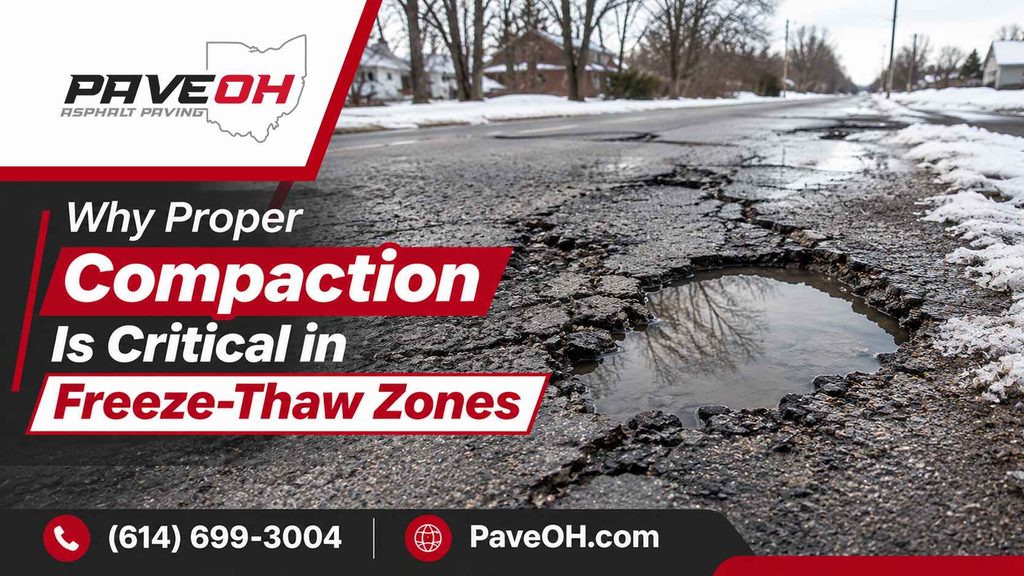
Why do some asphalt driveways and parking lots begin cracking, sinking, or developing potholes after only a few winters? The problem may start beneath the pavement, where loose soil, an unstable aggregate base, or inadequate compaction can make the entire surface more vulnerable to seasonal weather.
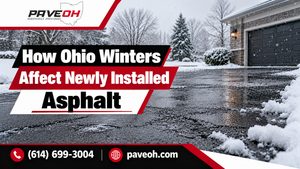
In Ohio, pavement must handle more than everyday vehicle traffic. Repeated freezing and thawing, heavy rainfall, melting snow, and changing ground conditions can place considerable stress on asphalt surfaces. When water enters pavement or collects in the supporting layers, freezing temperatures can make existing weaknesses worse.
This is why proper compaction is such an important part of pavement construction. It helps create a stable foundation, improves the density of asphalt, and reduces weaknesses that can contribute to premature pavement deterioration.
For property owners planning a new driveway or considering Driveway Replacement in Columbus Ohio, understanding compaction is important. A durable pavement surface does not depend on asphalt alone. It starts with the preparation and stability of every layer underneath it.
What Is Proper Compaction in Asphalt Construction?
Compaction is the process of applying controlled pressure to soil, aggregate, or freshly placed asphalt to achieve the required density and stability.
During construction, loose materials contain spaces between individual particles. Proper compaction reduces unnecessary air spaces and helps materials form a more stable structure. This allows the pavement to distribute vehicle loads more effectively and resist movement over time.
Compaction is required at different stages of a paving project. These stages generally include:
- Subgrade compaction: Preparing and stabilizing the natural soil beneath the pavement.
- Aggregate base compaction: Compressing the stone base to create a firm, consistent supporting layer.
- Asphalt compaction: Rolling the newly placed asphalt to achieve suitable density and surface consistency.
Each layer has a different function. If one is poorly prepared, the layers above it may also be affected. Even a smooth-looking asphalt surface can develop problems when the foundation underneath is weak.
Why Freeze-Thaw Cycles Are Hard on Ohio Pavement
Freeze-thaw cycles occur when temperatures repeatedly rise above and fall below the freezing point. Water in soil, pavement cracks, and other openings can freeze during cold periods and thaw as temperatures increase.
When water freezes, it expands. Repeated freezing and thawing can contribute to ground movement, moisture-related deterioration, and stress within pavement structures.
Ohio properties experience several conditions that make proper pavement preparation important:
- Winter temperatures that move above and below freezing
- Snow and ice that introduce additional moisture
- Rainfall and melting snow that can collect around paved areas
- Seasonal soil movement and changing moisture conditions
- Repeated vehicle loads on pavement that may already be weakened
These conditions do not automatically cause every pavement to fail. However, they can expose construction weaknesses that might otherwise remain unnoticed.
Proper compaction helps reduce some of these vulnerabilities by improving the stability of the pavement structure before seasonal weather begins to affect it.
1. Proper Subgrade Compaction Creates a Stable Foundation
The subgrade is the natural soil beneath the pavement’s aggregate base. It supports the entire pavement structure, so its condition has a direct influence on long-term performance.
If the soil is loose, uneven, or unable to provide consistent support, it may shift or settle under vehicle loads. Changes in moisture and seasonal ground movement can make these problems more noticeable.
Poor subgrade preparation may contribute to:
- Uneven settlement across the driveway
- Depressions and low spots
- Cracks caused by movement beneath the surface
- Areas where water repeatedly collects
- Reduced support for the aggregate base
Before asphalt installation, the existing ground should be evaluated and prepared according to its condition. Weak or unsuitable areas may need additional attention before the next layer is placed.
Proper subgrade compaction helps create a more uniform foundation. It does not prevent every type of soil movement, but it reduces the risk of building pavement over loose or inconsistent ground.
2. A Properly Compacted Stone Base Improves Pavement Support
The aggregate base is another essential part of a durable pavement structure. It usually consists of crushed stone or other suitable aggregate placed above the prepared subgrade.
Its main purpose is to provide a stable platform for the asphalt and help distribute traffic loads across the underlying soil.
When the aggregate base is not compacted properly, loose areas may shift under repeated pressure. This can lead to uneven support, settlement, and pavement movement.
In freeze-thaw zones, moisture makes the condition of the base even more important. Water collecting within or around poorly prepared layers can weaken support and contribute to seasonal deterioration.
A properly compacted base helps:
- Create a more consistent supporting layer
- Distribute vehicle loads across the pavement structure
- Reduce movement beneath the asphalt
- Limit settlement caused by loose aggregate
- Support effective drainage when combined with proper grading and design
The required base preparation depends on soil conditions, drainage, pavement thickness, and expected traffic. A residential driveway and a commercial parking area may need different construction approaches.
3. Asphalt Compaction Helps Reduce Moisture Penetration
Compaction does not stop after the foundation is prepared. The asphalt mixture also needs to be compacted correctly after placement.
Fresh hot-mix asphalt contains air voids. During rolling, aggregate particles move closer together, increasing the mixture’s density. Achieving suitable density helps limit interconnected spaces that allow water and air to move through the pavement.
When asphalt is under-compacted, excessive air voids can make the surface more permeable. Moisture may enter more easily, contributing to oxidation, aggregate loss, and other forms of deterioration.
This becomes particularly important in areas that experience repeated freezing and thawing.
Proper asphalt compaction helps:
- Improve the density of the finished pavement
- Reduce excessive air voids
- Limit pathways for moisture penetration
- Improve resistance to traffic-related stress
- Support better long-term pavement performance
However, achieving proper density requires more than simply rolling the surface repeatedly. Asphalt temperature, layer thickness, equipment, and rolling patterns all influence the final result.
4. Drainage and Compaction Must Work Together
Even a well-compacted pavement can experience problems when water has nowhere to go.
Poor grading, blocked drainage paths, or low areas can allow rainwater and melting snow to collect on or around the pavement. Over time, moisture may enter through cracks, joints, and pavement edges.
When that moisture reaches the supporting layers, it can weaken the foundation. Repeated freezing and thawing may then increase the damage.
This is why drainage should be considered alongside compaction during construction.
| Paving Element | Role in Freeze-Thaw Protection |
|---|---|
| Subgrade preparation | Helps create consistent support beneath the pavement |
| Aggregate base compaction | Improves foundation stability and reduces movement |
| Asphalt compaction | Helps achieve suitable density and limit excessive air voids |
| Surface grading | Directs rainwater and melting snow away from paved areas |
| Drainage planning | Reduces water accumulation around and beneath the pavement |
These elements work together. Compaction improves the stability of the materials, while grading and drainage help manage moisture. Neither should be treated as a replacement for the other.
5. Poor Compaction Can Contribute to Common Winter Pavement Problems
Construction weaknesses are not always visible immediately. A driveway may look smooth after installation but begin showing damage after months of traffic and seasonal weather.
Poor compaction is not the only possible cause of pavement deterioration, but it can contribute to several common problems.
Early Cracking
When the foundation does not provide consistent support, asphalt may move or flex under repeated vehicle loads. This movement can place additional stress on the pavement and contribute to cracking.
Potholes
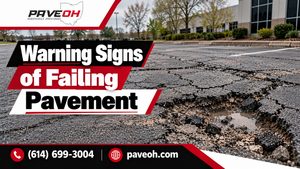
Water can enter existing cracks and reach the supporting layers. When the pavement becomes weakened, repeated traffic and freeze-thaw conditions can contribute to the breakdown of the affected area.
Surface Raveling
Raveling occurs when aggregate particles gradually separate from the asphalt surface. Inadequate asphalt density can contribute to greater air and moisture exposure, which may accelerate deterioration.
Uneven Settlement
Loose or poorly prepared soil and aggregate may shift over time. This can create depressions, uneven transitions, and areas where water collects.
Edge Deterioration
Driveway and parking lot edges can become vulnerable when they lack adequate support or allow water to enter from surrounding soil. Proper base preparation and edge compaction help create a more stable pavement structure.
The important point is that many visible pavement problems can have causes beneath the surface. Repairing the visible damage without addressing an unstable foundation may not provide a lasting solution.
6. Temperature and Timing Matter During Asphalt Compaction
Hot-mix asphalt must be compacted while it remains within a suitable temperature range. As the mixture cools, it becomes less workable and more difficult to compact effectively.
This is especially important during cooler conditions in Central Ohio.
Several factors influence the process:
Asphalt temperature: The mixture needs to remain workable long enough for the required rolling to be completed.
Weather conditions: Cold air and pavement temperatures can cause asphalt to cool more quickly, reducing the available compaction time.
Layer thickness: Asphalt thickness affects how the material retains heat and responds to compaction equipment.
Equipment selection: Suitable rollers and rolling patterns help crews achieve consistent density across the surface.
Installation timing: Material delivery, placement, and rolling need to be coordinated so compaction can be completed under appropriate conditions.
Rushing the process or allowing the asphalt to cool too much before adequate rolling can leave areas with insufficient density. Careful timing and an organized installation process help reduce this risk.
7. Residential and Commercial Pavement Have Different Compaction Needs
The importance of compaction applies to both residential driveways and commercial paved areas. However, the construction requirements may vary depending on how the surface will be used.
Residential Driveways
A residential driveway generally carries passenger vehicles, but it still needs a stable foundation and properly compacted asphalt. Poor preparation can contribute to sinking, cracks, and water collection near the garage, driveway entrance, or edges.
For homeowners considering Residential Asphalt Paving in Columbus Ohio, proper site evaluation, base preparation, grading, and compaction should all be part of the construction plan.
Commercial Parking Areas
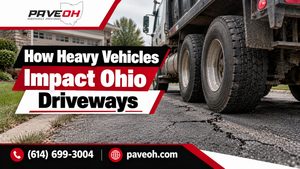
Commercial pavement may experience delivery vehicles, heavier loads, frequent turning, and repeated traffic in specific locations. These conditions place additional demands on the pavement structure.
The base, asphalt thickness, drainage, and compaction approach should reflect the property’s intended use. A construction method suitable for a residential driveway may not provide the same performance under heavier commercial traffic.
8. When Should Existing Pavement Be Repaired, Resurfaced, or Replaced?
Compaction is especially important during new construction, but it also helps explain why some existing pavement problems keep returning.
The right treatment depends on the condition of the asphalt and the stability of the underlying base.
| Pavement Condition | Possible Approach | Important Consideration |
|---|---|---|
| Small, localized cracks or potholes | Repair | The surrounding pavement and base should remain stable |
| Worn surface with a sound foundation | Resurfacing | The existing base must be suitable for a new asphalt layer |
| Widespread structural damage or failed base | Replacement | Unstable materials may need removal and rebuilding |
Asphalt Driveway Repair in Columbus Ohio may be appropriate when damage is limited and the surrounding pavement remains structurally sound. If the base is stable but the surface has deteriorated, Asphalt Resurfacing in Columbus Ohio may be worth evaluating.
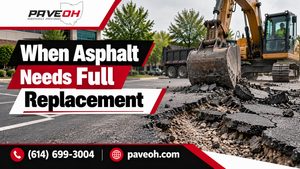
When the foundation has failed or damage is widespread, resurfacing over the existing surface may not address the underlying issue. In those situations, a full replacement may be more appropriate.
A proper site evaluation helps determine which option addresses the actual cause of the problem.
How Pave OH Approaches Pavement Preparation
At Pave OH, quality paving begins with understanding the condition of the site and the materials beneath the finished surface.
Based in Westerville, Pave OH serves residential and commercial properties throughout Central Ohio. Its paving work covers the full project process, including excavation, grading, drainage, base preparation, asphalt installation, sealcoating, and striping.
For a new driveway or pavement replacement project, the existing ground and drainage conditions need to be considered before asphalt is placed. Areas that require excavation or additional preparation should be addressed so the pavement has a suitable foundation.
Pave OH also evaluates whether an existing driveway needs repair, resurfacing, or full replacement. This helps property owners understand which approach is appropriate for the condition of their pavement rather than automatically choosing the most extensive service.
In a region where moisture, changing temperatures, and freeze-thaw cycles affect pavement performance, careful preparation is an important part of building a dependable surface.
Final Thoughts: Strong Compaction Supports Long-Term Pavement Performance
Freeze-thaw cycles are a regular part of Ohio weather, but their effects can become more damaging when pavement has construction weaknesses. Loose soil, an unstable aggregate base, excessive air voids, and poor drainage can all contribute to premature deterioration.
Proper compaction helps address these risks by creating a more stable foundation and improving the density of the asphalt surface. When combined with suitable materials, effective grading, and proper drainage, it supports pavement that is better prepared for seasonal weather and everyday traffic.
For homeowners and commercial property owners, the key is to look beyond the finished asphalt. The quality of the foundation, the condition of the base, and the way water moves around the property all matter.
Pave OH understands the demands that Central Ohio’s changing seasons place on paved surfaces. Through site evaluation, excavation, grading, drainage planning, base preparation, and asphalt installation, the team helps property owners choose paving solutions based on their property’s actual needs.
Contact Pave OH to discuss your driveway or paving project and learn how proper preparation can help support a stable surface through Ohio’s freeze-thaw seasons.