
Is your driveway or walkway as safe as it looks? While appearance is important, paving safety should never be overlooked. Slippery surfaces, uneven grades, poor drainage, and inadequate visibility can quickly turn paved areas into serious hazards. For homeowners concerned about paving safety in Columbus, Ohio, understanding which design and construction features protect people, vehicles, and property is essential.
At Pave OH, we regularly help homeowners correct unsafe paving conditions caused by overlooked details or improper installation. Cracks, uneven surfaces, standing water, and poor lighting do more than diminish curb appeal — they increase the risk of trips, falls, vehicle damage, and liability. Safe paving begins with proper planning and professional execution.
Why Paving Safety Matters in Columbus, Ohio
Columbus experiences a wide range of weather conditions throughout the year—freeze-thaw cycles, heavy rain, snow, ice, and summer heat. These environmental factors put stress on paved surfaces and can quickly turn minor issues into major safety concerns.
According to industry standards, many residential injuries occur due to uneven pavement, poor traction, or inadequate visibility. At Pave OH, safety is built into every paving project, ensuring that driveways, walkways, and parking areas are designed to perform safely year-round—not just look good on day one.
1. Proper Surface Grading to Prevent Water Pooling
One of the most overlooked safety features in residential paving is proper grading. When pavement isn’t sloped correctly, water pools on the surface instead of draining away.
Standing water increases the risk of:
- Slips and falls
- Ice formation in winter
- Accelerated pavement deterioration
- Hidden surface defects
Professional paving ensures water flows away from walking and driving areas, reducing both immediate and long-term safety hazards.
2. Slip-Resistant Surface Finishes
Smooth asphalt or concrete may look clean, but overly slick surfaces can become dangerous—especially during rain, snow, or ice.
Slip-resistant paving techniques include:
- Textured asphalt finishes
- Proper aggregate selection
- Surface treatments that improve traction
These features are especially important on sloped driveways, walkways, and areas near entry points where foot traffic is frequent.
3. Even Pavement Transitions and Joint Alignment
Sudden changes in elevation between pavement sections are a common cause of trips and vehicle damage. Uneven transitions often occur when driveways meet sidewalks, garages, or public walkways.
Professionally installed paving ensures:
- Smooth transitions
- Proper joint alignment
- Compliance with residential safety standards
This reduces trip hazards and improves accessibility for children, seniors, and guests.
4. Clearly Defined Edges and Borders
Undefined pavement edges can be hazardous, especially at night or during poor weather conditions. Crumbling or unsupported edges may break away over time, creating sharp drop-offs.
Safety-focused paving includes:
- Reinforced edges
- Defined borders
- Proper support at pavement ends
These features prevent edge collapse and help guide vehicles and pedestrians safely.
5. Adequate Lighting Integration
Even the best pavement can become unsafe if it isn’t visible. Poor lighting increases the risk of trips, missteps, and vehicle accidents.
Smart paving design considers:
- Light placement near driveways and walkways
- Reduced glare with proper angles
- Visibility of edges, steps, and slopes
Lighting works hand-in-hand with paving safety, especially during early mornings and evenings.
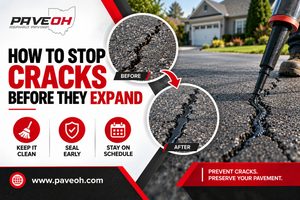
6. Crack Prevention and Early Repair Planning
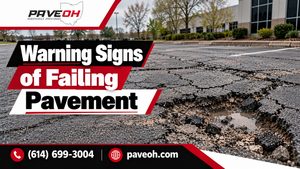
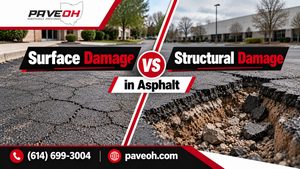
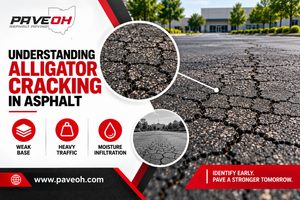
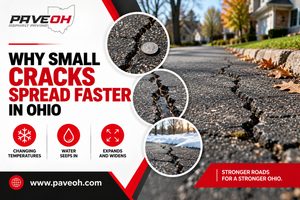
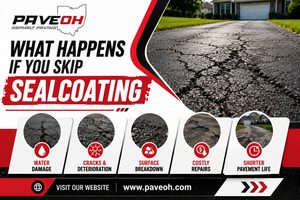
Small cracks may seem harmless, but they quickly become safety hazards if ignored. Cracks can widen, collect water, freeze, and create uneven surfaces.
Professional paving includes:
- Proper base preparation
- Expansion allowances
- Maintenance planning
Preventing cracks is far safer—and far cheaper—than repairing damaged pavement later.
7. Load-Appropriate Pavement Thickness
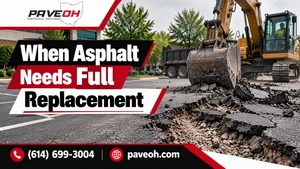
Driveways and paved areas must be designed for the weight they support. Many residential safety issues occur when the pavement is too thin for vehicle loads.
Incorrect thickness leads to:
- Rutting
- Surface collapse
- Sudden dips or depressions
Professional contractors calculate thickness based on vehicle type, soil conditions, and usage patterns.
8. Safe Drainage Around Garage and Entry Points
Water collecting near garage doors or entrances creates slip hazards and structural risks. Safe paving design ensures drainage directs water away from high-traffic zones.
This is particularly important in Columbus winters, when pooled water quickly turns to ice.
9. High-Visibility Markings and Borders
While residential paving doesn’t require commercial striping, subtle visual guides improve safety.
Examples include:
- Contrasting borders
- Textured edges
- Defined walking paths
These features help guide both drivers and pedestrians, especially in shared spaces.
10. Snow and Ice Management Compatibility
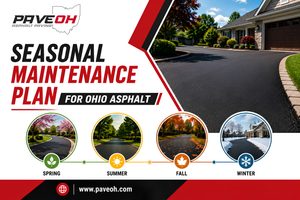
Safe paving should support winter maintenance. Surfaces must be durable enough for snow removal equipment and resistant to damage from ice melt products.
Poorly installed pavement may:
- Chip or crack during plowing
- Deteriorate from salt exposure
Professional paving accounts for these seasonal demands.
Residential Paving Safety Features Checklist
| Safety Feature | Purpose | Benefit to Homeowners |
|---|---|---|
| Proper Grading | Prevents water pooling | Reduces slip and ice hazards |
| Slip-Resistant Finish | Improves traction | Safer walking and driving |
| Smooth Transitions | Eliminates trip hazards | Better accessibility |
| Reinforced Edges | Prevents edge collapse | Longer pavement life |
| Integrated Lighting | Improves visibility | Reduced nighttime accidents |
| Crack Prevention | Stops surface failure | Lower maintenance risk |
| Correct Thickness | Supports vehicle weight | Prevents rutting and dips |
| Drainage Control | Directs water away | Safer entry points |
| Visual Borders | Guides movement | Improved spatial awareness |
| Winter Durability | Handles snow removal | Safer year-round use |
Why Professional Installation Is Essential for Paving Safety
Many safety issues stem from shortcuts taken during installation. DIY or low-quality paving often ignores grading, compaction, and material selection—all of which are critical for long-term safety.
Professional paving contractors understand:
- Local soil conditions
- Columbus weather patterns
- Residential safety standards
- Long-term performance needs
This expertise protects homeowners from unnecessary risks and liabilities.
Final Thoughts: Safe Paving Is Smart Paving
A safe driveway or walkway protects more than just vehicles—it protects families, guests, and property value. Investing in proper design, materials, and installation ensures your pavement performs safely in every season.
For homeowners prioritizing paving safety Columbus Ohio, working with experienced professionals ensures peace of mind, long-term durability, and fewer costly repairs down the road.