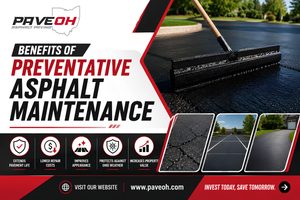

Is your Ohio asphalt ready for maintenance or resurfacing? When an asphalt driveway or parking lot begins to look worn, property owners often wonder whether they should sealcoat the pavement or have it resurfaced. The two services may improve the appearance and performance of asphalt, but they address different levels of pavement wear. Understanding sealcoating vs resurfacing Ohio can help property owners choose a treatment based on the actual condition of their asphalt rather than simply its appearance.
Ohio pavement experiences seasonal temperature changes, moisture, snow, road salt, summer heat, and regular vehicle traffic. Pave OH explains that sealcoating is a preventative maintenance treatment, while resurfacing involves adding a new asphalt layer over an existing pavement structure that remains suitable for an overlay.
What Is Sealcoating?
Sealcoating is a protective maintenance treatment applied to an existing asphalt surface. It is designed primarily to protect sound asphalt from environmental exposure and surface deterioration rather than correct major structural problems.
Pave OH describes sealcoating as a protective barrier against moisture, oxidation, weather, chemicals, and everyday wear. It can also restore the darker appearance of asphalt and help preserve the pavement between more extensive maintenance projects.
Sealcoating is generally most appropriate when the pavement is still structurally sound but is beginning to show normal aging.
Sealcoating can help:
- Protect the surface from moisture
- Reduce oxidation
- Limit exposure to certain chemicals
- Improve pavement appearance
- Slow surface deterioration
- Preserve sound asphalt
- Support a regular preventative-maintenance program
However, sealcoating does not add a new structural asphalt layer or correct a failed pavement foundation.
What Is Asphalt Resurfacing?
Resurfacing is a more substantial pavement rehabilitation process.
Instead of simply applying a protective coating, contractors prepare the existing pavement and place a new asphalt layer over the existing surface when the underlying structure is suitable.
According to Pave OH, resurfacing is intended for pavement that has experienced surface wear but still has sufficient structural integrity to support a new asphalt layer.
The process can restore:
- Surface smoothness
- Pavement appearance
- Driving comfort
- Surface durability
- Overall usability
Resurfacing can therefore bridge the gap between routine maintenance and complete pavement replacement.
Sealcoating vs Resurfacing: Key Differences
| Feature | Sealcoating | Asphalt Resurfacing |
|---|---|---|
| Primary purpose | Preventative protection | Pavement rehabilitation |
| Treatment | Protective surface coating | New asphalt surface layer |
| Best for | Sound, aging asphalt | Worn but structurally stable pavement |
| Corrects major surface deterioration | No | In some cases |
| Adds asphalt thickness | No | Yes |
| Improves appearance | Yes | Yes |
| Helps protect against moisture | Yes | Yes |
| Addresses structural problems | No | Limited; depends on underlying base |
| Maintenance role | Routine preservation | Larger rehabilitation project |
| Requires pavement evaluation | Yes | Yes |
The most important difference is that sealcoating protects the existing asphalt, while resurfacing renews the pavement surface with a new asphalt layer.
1. Difference in Purpose
The first major difference is what each treatment is designed to accomplish.
Sealcoating
Sealcoating is primarily preventative. It helps protect asphalt before surface deterioration becomes severe.
Pave OH recommends routine sealing as part of maintaining asphalt driveways and explains that the treatment helps protect against weather, moisture, oxidation, and everyday vehicle use.
Resurfacing
Resurfacing is intended to restore a pavement surface that has already experienced more noticeable wear.
Pave OH describes resurfacing as a solution for worn pavement where the existing base remains structurally sound.
This means the decision often comes down to maintenance versus rehabilitation.
2. Difference in Pavement Condition
The condition of the existing asphalt is one of the biggest factors when choosing between these services.
Sealcoating may be suitable when asphalt has:
- Minor surface wear
- Fading
- Early oxidation
- Limited cracking
- Generally good structural integrity
Resurfacing may be considered when the surface has:
- Widespread wear
- Significant surface imperfections
- Extensive but repairable deterioration
- A worn appearance
- Areas that need a renewed asphalt surface
Pave OH emphasizes that resurfacing should begin with an inspection to determine whether the existing pavement and base can support the new layer.
3. Sealcoating Does Not Fix Structural Damage
This is an important distinction.
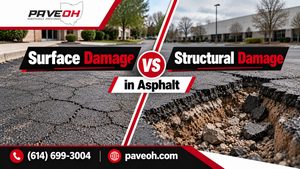
Sealcoating can protect a suitable asphalt surface, but it cannot rebuild a weak foundation.
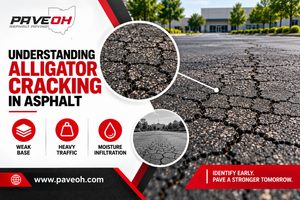
For example, if a driveway has severe settlement, extensive alligator cracking, or major base failure, applying sealcoat over the surface will not correct the underlying problem.
Pave OH specifically states that sealcoating protects asphalt but does not correct structural issues.
In these situations, the pavement should be evaluated to determine whether repair, resurfacing, or replacement is more appropriate.
4. Resurfacing Provides a New Asphalt Surface
Resurfacing actually adds material to the pavement.
The process generally involves evaluating the existing pavement, preparing the surface, correcting appropriate defects, and placing a new asphalt layer.
Pave OH describes resurfacing as a way to restore the top layer while maintaining the existing base when that base remains suitable.
This can provide:
- A smoother surface
- Improved appearance
- Renewed pavement texture
- Additional service life
- Better resistance to everyday traffic
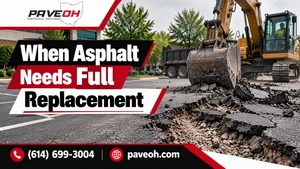
However, resurfacing is not automatically appropriate for every damaged driveway or parking lot. A severely compromised foundation may require deeper repair or reconstruction.
5. Difference in Maintenance Frequency
Sealcoating is typically performed as part of an ongoing maintenance schedule.
Pave OH recommends reapplication for many residential driveways approximately every 2–3 years, depending on pavement condition, weather exposure, and traffic.
Resurfacing does not follow the same routine schedule. It is generally performed when the pavement has reached a condition where a new surface layer provides a practical rehabilitation solution.
This means property owners shouldn’t think of resurfacing as something that replaces regular sealcoating and maintenance.
Instead:
Sealcoating → routine protection
Resurfacing → larger-scale surface renewal
6. Difference in Surface Preparation
Both services require preparation, but resurfacing generally involves more extensive work.
Sealcoating preparation may include:
- Cleaning the asphalt
- Removing debris
- Treating oil contamination
- Repairing appropriate cracks
- Addressing potholes
- Preparing the surface for coating
Pave OH’s sealcoating process includes inspection, cleaning, crack and pothole repair, sealant application, curing, and final inspection.
Resurfacing preparation may include:
- Detailed pavement inspection
- Identifying damaged areas
- Repairing underlying defects
- Preparing the existing asphalt
- Addressing drainage concerns
- Preparing the surface for the new asphalt layer
- Applying and compacting new asphalt
Because resurfacing involves new pavement material, proper preparation is essential for long-term performance.
7. Appearance Improvements
Both treatments can dramatically improve pavement appearance, but they do so differently.
Sealcoating
Sealcoating restores a darker, more uniform finish to weathered asphalt. Pave OH notes that sealing can restore the rich black appearance of residential pavement.
Resurfacing
Resurfacing provides a new asphalt surface, making it appropriate when the existing pavement has become too worn for a simple protective coating.
Pave OH describes resurfacing as a method for restoring smoothness and appearance while extending pavement service life.
If your asphalt is structurally sound but simply faded, sealcoating may be enough. If the surface is extensively worn, resurfacing may provide a more complete renewal.
8. Ohio Weather Makes the Decision Important
Ohio asphalt experiences a wide range of weather conditions.
Pave OH identifies freeze-thaw cycles, road salt, snow, moisture, summer heat, and vehicle traffic as factors that can accelerate pavement deterioration.
Moisture is particularly important because water entering cracks can reach lower pavement layers. During freezing conditions, trapped moisture can expand and place additional stress on the pavement.
That is why preventative maintenance should be performed before minor surface deterioration develops into more extensive damage.
When Is Sealcoating the Better Choice?
Sealcoating may be appropriate when your pavement is generally healthy but needs protection.
Consider sealcoating when:
- The asphalt remains structurally sound
- The surface is beginning to fade
- Minor surface wear is visible
- Small cracks are present but manageable
- You want to protect against moisture and oxidation
- The pavement needs routine preventative maintenance
Pave OH describes sealcoating as a preventative treatment that protects asphalt from weather exposure, chemicals, moisture, and daily wear.
When Is Resurfacing the Better Choice?
Resurfacing may be appropriate when pavement has become significantly worn but the foundation remains stable.
Possible indicators include:
- Widespread surface deterioration
- Extensive surface wear
- Rough pavement
- Numerous surface imperfections
- An aging asphalt surface that remains structurally stable
- A need for a renewed driving surface
Pave OH states that resurfacing is most suitable when the pavement base remains stable enough to support a new asphalt layer.
A professional inspection should determine whether those conditions are present.
When Neither Treatment Is Enough
Sometimes the pavement has deteriorated beyond what sealcoating or resurfacing can reasonably address.
Warning signs may include:
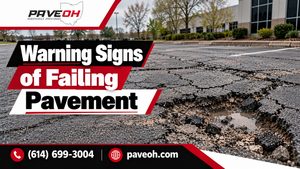
- Severe alligator cracking
- Major settlement
- Deep structural potholes
- Significant base failure
- Serious drainage problems
- Extensive pavement movement
In these situations, applying sealcoat or placing a new surface layer without correcting the underlying issue may provide only temporary improvement.
Pave OH notes that pavement should be evaluated for surface deterioration, drainage concerns, and underlying base problems before selecting maintenance, resurfacing, or replacement.
Can Sealcoating and Resurfacing Work Together?
Yes.
These services are not necessarily competing options.
A property may eventually require resurfacing as the pavement ages, and the new asphalt surface can then be maintained with appropriate preventative treatments.
Pave OH specifically identifies routine sealcoating as a maintenance consideration after resurfacing to help maintain the new surface.
A typical long-term maintenance strategy might look like:
New asphalt → curing → routine inspections → crack repair → sealcoating → continued maintenance → resurfacing when appropriate
The exact schedule depends on pavement condition, traffic, drainage, and weather exposure.
Common Mistakes Property Owners Make
Mistake 1: Using Sealcoating to Hide Major Damage
Sealcoating should not be used simply to cover severe pavement failure. Major defects need to be evaluated and repaired first.
Mistake 2: Assuming Every Worn Surface Needs Resurfacing
A faded driveway with limited surface deterioration may only need preventative maintenance.
Mistake 3: Ignoring Drainage
Water can undermine pavement regardless of whether it has been sealcoated or resurfaced. Pave OH emphasizes the importance of drainage evaluation when assessing pavement condition.
Mistake 4: Skipping Surface Preparation
Poor preparation can reduce the performance of both maintenance treatments and resurfacing projects.
Mistake 5: Choosing Based Only on Appearance
Two driveways can look similarly worn while having very different conditions underneath. Professional evaluation is therefore important.
A Simple Decision Guide
| What You See | Potential Solution |
|---|---|
| Faded but sound asphalt | Sealcoating |
| Minor surface wear | Sealcoating |
| Limited cracking | Repair + sealcoating |
| Widespread surface wear | Consider resurfacing |
| Rough, aging surface | Professional evaluation |
| Major structural cracking | Deeper repair/evaluation |
| Severe settlement | Investigate underlying cause |
| Failed pavement foundation | Replacement/reconstruction may be needed |
This table is a general guide, not a substitute for a professional pavement assessment.
Why Professional Evaluation Matters
Choosing between sealcoating and resurfacing isn’t simply a matter of looking at pavement color or counting cracks.
A professional assessment can consider:
- Surface condition
- Crack patterns
- Drainage
- Base stability
- Soil conditions
- Traffic levels
- Pavement age
- Previous repairs
- Existing settlement
- Overall structural integrity
Pave OH states that its resurfacing process begins with an inspection to determine whether the existing pavement is structurally suitable for an overlay.
This approach helps prevent property owners from selecting a treatment that doesn’t match the actual pavement problem.
Protecting Asphalt After Treatment
Regardless of whether pavement receives sealcoating or resurfacing, ongoing maintenance remains important.
Property owners should:
- Keep the surface clean
- Remove oil and chemical spills promptly
- Monitor cracks
- Maintain drainage
- Repair potholes early
- Avoid unnecessary heavy loading
- Inspect pavement regularly
- Follow appropriate curing requirements
Pave OH recommends allowing sealcoated surfaces to cure before regular use and maintaining proper drainage to prevent standing water.
Routine care can help protect the investment made in pavement rehabilitation.
Why Choose Pave OH?
Pave OH provides residential and commercial asphalt services throughout Columbus and Central Ohio, including new paving, asphalt resurfacing, driveway sealcoating, repairs, milling, and parking lot services.
The company’s approach focuses on evaluating pavement condition before recommending an appropriate solution. Its resurfacing service is designed for pavement where the existing base remains stable, while its sealcoating service is intended to protect sound asphalt from weather, moisture, oxidation, chemicals, and everyday wear.
Whether your property needs routine maintenance or a more substantial surface renewal, the right treatment begins with understanding what’s happening beneath and across the pavement.
Final Thoughts
Understanding sealcoating vs resurfacing Ohio can help property owners make better decisions about maintaining aging asphalt. Although both treatments improve pavement appearance and can contribute to longer service life, they are designed for different situations.
Sealcoating is primarily preventative maintenance. It protects suitable asphalt from moisture, oxidation, weather exposure, chemicals, and everyday wear while improving its appearance.
Resurfacing is a more substantial rehabilitation treatment. It places a new asphalt layer over an existing pavement structure when the underlying base is still stable enough to support the overlay.
The most important step is determining the actual condition of your pavement before choosing either option. A surface that only needs protection shouldn’t necessarily be resurfaced, while pavement with significant deterioration shouldn’t simply be sealcoated.
Pave OH can evaluate your asphalt and help determine whether preventative sealcoating, resurfacing, repair, or another paving solution is appropriate for your Columbus or Central Ohio property