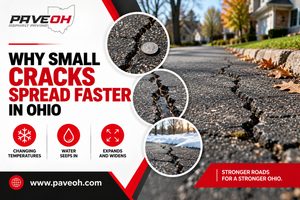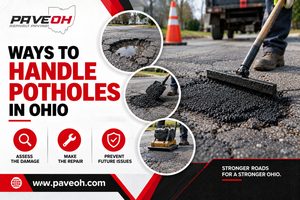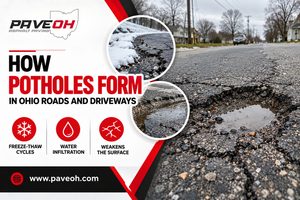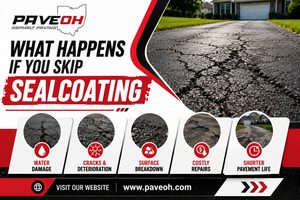
Are you planning a new asphalt driveway and wondering how the paving process works? Understanding the full residential paving Ohio process is important for homeowners who want a durable, attractive, and long-lasting driveway. While asphalt paving may appear simple on the surface, successful residential paving requires careful planning, proper base preparation, accurate grading, and professional installation techniques tailored to Ohio’s challenging climate. Throughout the year, driveways in Central Ohio are exposed to freeze–thaw cycles, heavy rainfall, snow, road salt, and seasonal temperature changes that place constant stress on pavement surfaces. Without proper installation methods, these environmental conditions can quickly lead to cracking, potholes, drainage failures, sinking areas, and premature structural deterioration.
A professionally installed asphalt driveway improves much more than curb appeal. It enhances vehicle accessibility, supports proper drainage, increases property value, and provides long-term structural reliability when built correctly from the ground up. Every phase of the residential paving process — from excavation and base preparation to asphalt compaction and final finishing — plays a critical role in long-term pavement performance. Understanding these steps helps homeowners make informed decisions when planning a new driveway installation or replacement project in Ohio.
Why Professional Residential Asphalt Paving Matters
A properly paved driveway provides several long-term benefits for homeowners.
Professional paving helps improve:
- Property appearance
- Vehicle accessibility
- Surface durability
- Drainage performance
- Structural stability
- Property value
Poor installation, weak foundations, or improper drainage can lead to premature pavement deterioration and costly repairs.
Why Ohio Driveways Require Specialized Installation
Ohio’s environmental conditions create unique challenges for asphalt pavement.
Common environmental stress factors include:
- Freeze-thaw cycles
- Heavy rainfall
- Snow and ice
- Soil movement
- Moisture infiltration
- Seasonal temperature fluctuations
Without proper installation methods, these conditions can rapidly weaken driveway surfaces and foundations.
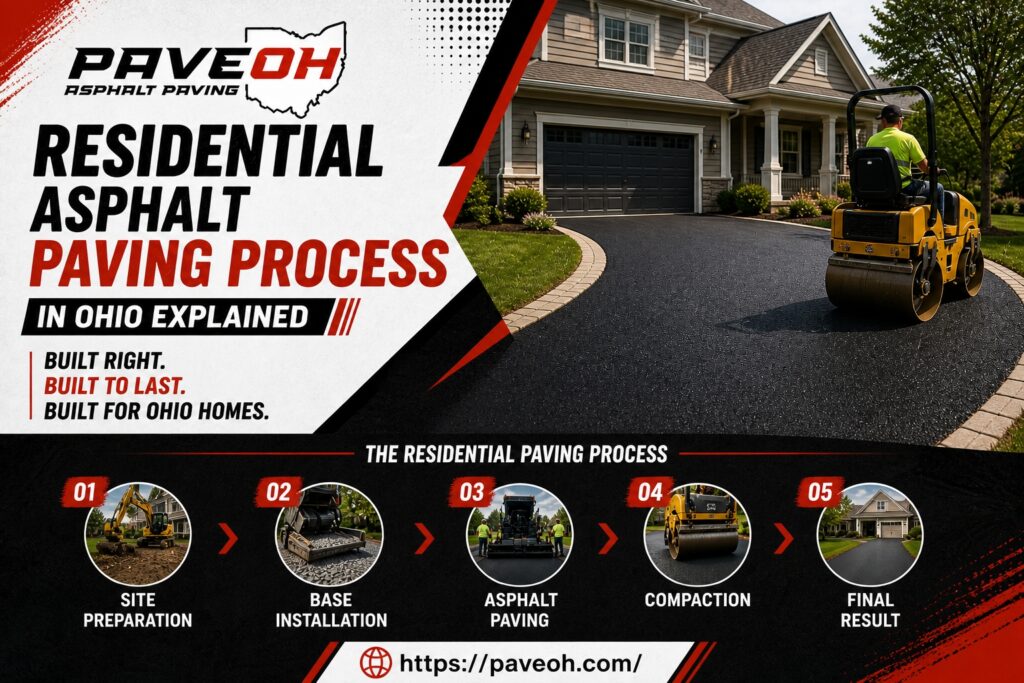
The Residential Asphalt Paving Process Explained
1. Site Evaluation and Planning
Every paving project begins with a professional site evaluation.
This phase includes:
- Property inspection
- Soil assessment
- Drainage analysis
- Surface measurements
- Traffic evaluation
- Grading review
Understanding site conditions helps determine the best paving strategy for long-term pavement performance.
Proper planning is especially important in Ohio due to varying soil conditions and moisture exposure risks.
2. Excavation and Removal
If replacing an existing driveway, the old pavement and unstable materials must first be removed.
Excavation helps:
- Eliminate weak foundations
- Create proper depth
- Improve stability
- Prepare for new base installation
The depth of excavation depends on:
- Soil condition
- Drainage needs
- Expected traffic load
- Existing pavement condition
A stable foundation is critical for long-term asphalt durability.
3. Base Preparation
Base preparation is one of the most important parts of the paving process.
The aggregate base layer provides structural support beneath the asphalt surface.
Proper base installation helps:
- Prevent sinking
- Reduce cracking
- Improve drainage
- Support vehicle loads
- Enhance pavement flexibility
The base is typically compacted in layers to create a stable, load-bearing foundation.
Weak base preparation is one of the leading causes of driveway failure in Ohio.
4. Grading and Drainage Planning
Drainage is critical for preserving asphalt pavement in Ohio’s climate.
Poor drainage can lead to:
- Water pooling
- Base erosion
- Freeze-thaw damage
- Surface cracking
- Pavement instability
Professional grading ensures water flows away from the driveway surface and surrounding structures.
Proper drainage design helps protect both the pavement and the property foundation.
Homeowners exploring asphalt paving in Columbus Ohio should prioritize contractors who emphasize proper grading and water management during installation.
5. Asphalt Installation
Once the base is prepared and graded properly, hot asphalt is installed over the surface.
Asphalt installation involves:
- Applying hot asphalt material
- Spreading the mixture evenly
- Maintaining proper thickness
- Achieving smooth surface consistency
The asphalt mixture must remain at the correct temperature during installation to ensure proper compaction and bonding.
6. Asphalt Compaction
Compaction is one of the most important steps in the paving process.
Professional rollers compress the asphalt surface to:
- Eliminate air pockets
- Improve density
- Increase strength
- Create smoothness
- Enhance durability
Improper compaction can lead to:
- Premature cracking
- Surface depressions
- Structural weakness
- Moisture penetration
Proper compaction significantly improves pavement lifespan.
7. Edge Support and Finishing
Driveway edges are especially vulnerable to deterioration if not properly supported.
Edge finishing helps:
- Improve structural stability
- Reduce edge cracking
- Prevent erosion
- Enhance appearance
Finishing work may also include:
- Surface smoothing
- Joint sealing
- Transition grading
- Cleanup
These final steps help improve both functionality and visual appeal.
8. Curing and Initial Protection
Fresh asphalt requires time to cure properly.
During the curing period, homeowners should avoid:
- Heavy vehicle loads
- Sharp turns
- Parking in the same location repeatedly
- Surface damage
Proper curing helps maximize asphalt strength and long-term durability.
Importance of Drainage in Residential Paving Ohio Projects
Water is one of the greatest threats to asphalt pavement.
Without proper drainage systems, moisture can weaken the pavement foundation and accelerate deterioration.
Effective drainage helps:
- Prevent standing water
- Reduce freeze-thaw damage
- Protect the base layer
- Improve pavement lifespan
- Reduce cracking risks
Ohio paving systems must prioritize water management to ensure long-term structural stability.
Common Residential Asphalt Problems Caused by Poor Installation
Improper paving techniques often lead to:
- Cracking
- Potholes
- Surface sinking
- Drainage failures
- Edge deterioration
- Uneven pavement
- Premature wear
Most long-term pavement issues begin beneath the surface due to weak preparation or drainage problems.
Residential Paving Process Comparison Table
| Paving Step | Purpose | Long-Term Benefit |
|---|---|---|
| Site Evaluation | Assess conditions | Better project planning |
| Excavation | Remove unstable materials | Stronger foundation |
| Base Preparation | Structural support | Reduced cracking |
| Grading & Drainage | Water management | Improved durability |
| Asphalt Installation | Surface construction | Smooth pavement finish |
| Compaction | Increase density | Longer lifespan |
| Edge Finishing | Structural protection | Reduced edge damage |
| Curing | Surface stabilization | Improved pavement strength |
Residential Asphalt vs Concrete Driveways in Ohio
Asphalt driveways are popular throughout Ohio because they provide:
- Better flexibility during freeze-thaw cycles
- Faster installation
- Smoother surfaces
- Easier maintenance
- Strong winter performance
Properly maintained asphalt surfaces can perform exceptionally well in Ohio’s changing climate conditions.
Why Professional Expertise Matters
Residential paving requires technical knowledge, proper equipment, and climate-specific experience.
Working with professional paving experts in Columbus Ohio helps ensure:
- Proper excavation
- Accurate grading
- Effective drainage
- Quality compaction
- Long-term structural durability
Experienced contractors understand how Ohio weather impacts pavement systems and can tailor installation methods accordingly.
Importance of Preventive Maintenance After Installation
Even professionally installed asphalt requires routine maintenance to preserve long-term performance.
Recommended maintenance services include:
- Sealcoating
- Crack sealing
- Drainage inspections
- Surface repairs
- Pavement evaluations
Preventative maintenance helps reduce moisture damage, oxidation, and surface deterioration.
Why Local Ohio Experience Is Essential
Ohio driveway construction requires regional expertise.
Local paving professionals understand:
- Freeze-thaw stress
- Soil movement
- Seasonal moisture exposure
- Winter pavement challenges
- Drainage requirements
At PaveOH, residential paving systems are specifically engineered for Ohio’s environmental conditions and long-term pavement performance.
Long-Term Benefits of Professional Residential Asphalt Paving
Proper residential paving provides:
- Improved curb appeal
- Better drainage performance
- Enhanced property value
- Reduced structural issues
- Longer pavement lifespan
- Safer driving surfaces
- Lower maintenance frequency
Professional installation helps homeowners protect their pavement investment for years to come.
Final Thoughts
Residential asphalt paving in Ohio requires far more than simply applying asphalt over the ground surface. Long-term driveway durability depends heavily on site evaluation, soil stability, water management, proper compaction, and high-quality paving materials. Understanding the complete residential paving Ohio process helps homeowners recognize why professional installation is essential for preventing future pavement problems caused by moisture infiltration, freeze–thaw damage, and unstable foundations.
For residential properties, professionally paved driveways provide smoother driving surfaces, improved drainage performance, better structural stability, and reduced long-term maintenance costs. Preventative maintenance after installation — including sealcoating, crack sealing, and routine inspections — also helps protect asphalt from weather-related deterioration and extend pavement lifespan for many additional years. Working with experienced local paving contractors ensures installation methods are properly tailored to Ohio’s soil conditions, seasonal weather patterns, and long-term pavement performance needs.
If you are planning a new driveway installation or replacement project, PaveOH can help evaluate your property conditions and provide professionally engineered residential asphalt paving solutions designed specifically for Ohio’s climate, drainage requirements, and long-term durability.