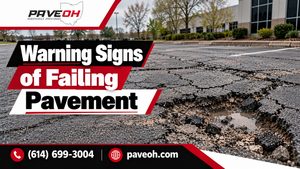

Are potholes in your parking lot becoming a safety concern or damaging your property’s image? More than a minor nuisance, potholes pose hazards to vehicles and pedestrians, leaving a negative first impression on customers and tenants. In Columbus, Ohio, frequent freeze-thaw cycles cause pavement to break down rapidly when maintenance is delayed. Understanding how pothole repair fits into a broader pavement preservation strategy helps property owners protect their investment and reduce the risk of costly emergency fixes.
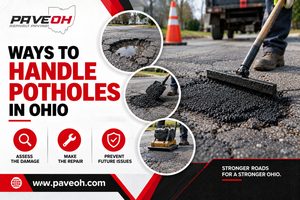
In Columbus’s climate, delayed repairs allow small surface issues to escalate quickly. A strategic approach to pothole repair in Columbus, Ohio—focused on early detection, proper drainage, and routine maintenance—helps prevent costly pavement failures.
Below are expert-backed strategies to help prevent potholes before they form.
1. Seal Cracks as Soon as They Appear
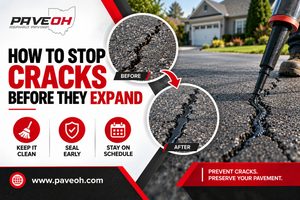
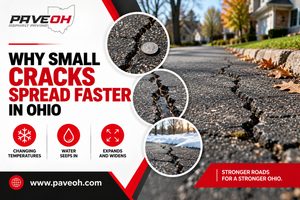
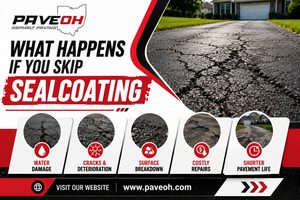
Cracks are the primary entry point for water, which is the leading cause of pothole formation. In Columbus, moisture seeps into cracks during rain or snow, then expands as temperatures drop. This expansion widens cracks and weakens the pavement base. Sealing cracks early prevents water infiltration and significantly slows pavement deterioration. Ignoring small cracks allows them to spread, making future repairs more extensive and expensive. Crack sealing is one of the most cost-effective preventive measures and plays a critical role in extending the life of parking lot asphalt.
2. Understand the Impact of Freeze-Thaw Cycles
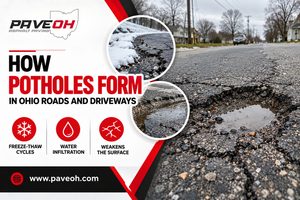
Columbus experiences frequent temperature fluctuations, especially during fall and winter. Water trapped beneath the surface freezes and expands, then contracts as it thaws. This repeated process weakens asphalt from the inside out. Over time, the surface collapses, forming potholes. Property owners who understand this cycle are better equipped to schedule timely inspections and repairs. Preventive maintenance before winter significantly reduces freeze-related damage and helps preserve pavement integrity.
3. Maintain Proper Drainage Throughout the Lot
Poor drainage allows water to collect on the surface and seep into the pavement structure. Standing water accelerates asphalt deterioration and increases the likelihood of potholes. Ensuring that parking lots are properly graded and that water flows toward drains or away from pavement is essential. Regularly checking drainage systems helps prevent moisture buildup that leads to structural failure. Repaving or surface corrections may be necessary when drainage problems persist.
4. Keep Catch Basins and Drains Clear
Clogged drains prevent water from exiting the parking lot efficiently. Leaves, debris, and sediment block drainage paths, allowing water to pool and penetrate asphalt. Routine cleaning of catch basins and drainage inlets is a simple yet often overlooked step in pothole prevention. Keeping drainage systems functional reduces moisture exposure and protects the pavement base from erosion.
5. Repair Low Spots Before They Worsen
Low spots collect water and place added stress on the pavement. These areas deteriorate faster than surrounding surfaces and often become the first locations where potholes form. Addressing low spots early through patching or leveling prevents repeated moisture damage. If left untreated, these depressions can spread and compromise larger sections of the parking lot.
6. Schedule Regular Pavement Inspections
Routine inspections allow property owners to identify early warning signs such as cracking, surface wear, and drainage issues. Inspections should be conducted at least once or twice a year, especially before and after winter. Early detection makes repairs more affordable and prevents minor damage from escalating into potholes that require extensive restoration.
7. Address Minor Damage Immediately
Small cracks and surface defects may seem insignificant, but they worsen rapidly under traffic and weather exposure. Prompt repairs prevent water intrusion and reduce stress on surrounding pavement. Delaying repairs allows damage to spread, increasing repair scope and cost. Immediate action is essential for effective pothole prevention.
8. Reinforce High-Traffic Areas
Parking lot entrances, exits, loading zones, and turning lanes experience the most stress. These areas deteriorate faster due to constant braking, turning, and heavy vehicle loads. Reinforcing high-traffic zones through targeted maintenance helps prevent early pavement failure. Ignoring these areas often leads to potholes forming sooner than in other sections.
9. Perform Repairs Before Winter Arrives
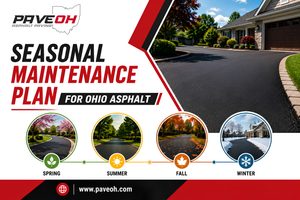
Cold weather limits repair options and makes asphalt more vulnerable to damage. Performing maintenance before winter helps seal out moisture and strengthen pavement before freeze-thaw cycles begin. Preventive repairs during fall are far more effective than emergency pothole repairs during the winter months.
10. Apply Preventive Surface Treatments
Protective surface treatments slow oxidation and help repel moisture. These treatments preserve asphalt flexibility and reduce cracking caused by temperature changes. While not a replacement for structural repairs, surface treatments play a valuable role in extending pavement life and delaying pothole formation.
11. Keep the Parking Lot Clean
Debris traps moisture against the pavement surface and hides early signs of damage. Regular sweeping improves drainage efficiency and allows property managers to spot cracks or surface issues early. Clean pavement supports better maintenance planning and reduces moisture-related deterioration.
12. Control Heavy Vehicle Access
Heavy vehicles place excessive stress on asphalt not designed for high load capacity. Repeated exposure accelerates cracking and base failure. Limiting heavy vehicle access or reinforcing designated areas helps protect pavement structure and prevent potholes.
13. Use Proper Snow and Ice Removal Practices
Improper plowing can scrape asphalt, expose cracks, and worsen surface damage. Using appropriate equipment and techniques minimizes pavement wear during winter maintenance. Protecting the surface during snow removal helps preserve asphalt integrity.
14. Plan Long-Term Maintenance Instead of Reactive Repairs
Reactive pothole repairs cost more over time and often fail to address underlying issues. A long-term maintenance plan focuses on prevention, scheduling repairs strategically to maximize pavement lifespan and reduce emergency expenses.
15. Act Early Before Cracks Become Potholes
Potholes rarely appear overnight. They develop gradually from neglected cracks and moisture intrusion. Acting early is the most effective way to prevent costly damage and extend pavement life. Early intervention saves money, improves safety, and protects property value.
How Pave OH Can Help
Preventing potholes requires local expertise and consistent care. Pave OH understands Columbus weather conditions and delivers parking lot maintenance and pothole repair solutions designed to withstand freeze-thaw cycles and heavy traffic demands.
Conclusion
Pothole prevention is far more effective than reactive repair. By focusing on early maintenance, proper drainage, and seasonal planning, Columbus property owners can significantly reduce pavement damage. With professional guidance from Pave OH, parking lots remain safe, durable, and visually appealing year-round.
We help Columbus property owners take a proactive approach to pothole prevention by addressing the root causes of pavement deterioration before failures develop. Our team emphasizes early maintenance strategies, including crack sealing, surface treatments, and drainage corrections, to limit moisture intrusion and reduce damage caused by seasonal freeze-thaw cycles. By planning maintenance around weather patterns, we help stabilize pavement and extend its service life.
Our focus is on maintaining parking lots that are safe, durable, and visually consistent throughout the year. With professional support from experienced specialists like Pave OH, property owners can minimize costly repairs, improve safety conditions, and maintain pavement surfaces that perform reliably under Central Ohio’s changing climate.